How Cosmetic Dentistry Combines Art and Dental Science
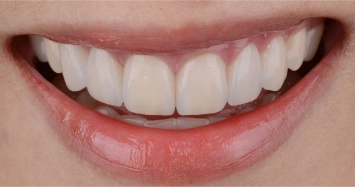
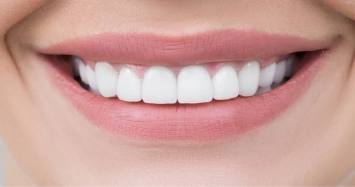
Cosmetic dentistry sits at an unusual intersection. It borrows the rigor of clinical dentistry, where biology, materials, and function rule every decision, yet it also depends on the eye of a designer. A successful cosmetic case is not simply a matter of making teeth whiter or straighter. It requires balance, restraint, and a very practical understanding of how people speak, smile, chew, and age.
That combination is what makes the field both compelling and difficult. The public often sees the finished photograph, bright teeth framed by a confident smile. What they do not see is the diagnostic work behind it: bite analysis, gum health, enamel thickness, lip movement, facial symmetry, phonetics, and the limitations of different materials. Good cosmetic dentistry is never just decoration. It is applied dental science guided by aesthetic judgment.
A smile is part of the face, not a separate project
One of the biggest misconceptions about Cosmetic Dentistry is that it focuses only on teeth. In practice, the most attractive results come from looking beyond the teeth entirely. The smile has to make sense within the face. A central incisor that looks beautiful on a plaster model can seem harsh or artificial when paired with a soft lip line or a mature face. The same is true in reverse. Teeth that seem slightly irregular on close inspection may look wonderfully natural in motion because they suit the patient.
Dentists who work regularly in aesthetic cases learn to study proportions in context. They look at the relationship between the upper and lower lips, how much tooth shows at rest, how the smile arc follows the lower lip, and how the gumline frames the teeth. Age matters too. Younger patients usually show more upper tooth structure at rest. As people age, that display often decreases. If a smile makeover ignores that, the result can feel off even if every tooth is technically well made.
Color is another example. Many patients arrive asking for the brightest possible shade because that is what catches the eye online. But highly opaque, very white restorations can flatten the smile and make it stand apart from the complexion rather than harmonize with it. Natural teeth have translucency, toothworksofbakersfield.com Cosmetic Dentistry depth, and tiny variations in value. Recreating that subtlety is where artistry begins. Dental science provides the materials and techniques. The artistic side determines how much character to preserve and how much to refine.
The diagnostic phase is where science leads
Before any veneer is designed or any whitening gel is chosen, the biological foundation has to be sound. This is the part of cosmetic care that patients often underestimate because it does not look glamorous. Yet it is where many of the most important decisions are made.
Healthy gums are nonnegotiable. Inflamed tissue can distort measurements, alter gum contours, and compromise impressions or digital scans. If the tissue bleeds easily, the final margins of a restoration may not adapt well, and the visual outcome will suffer. A beautiful crown placed into unhealthy tissue rarely stays beautiful for long.
Occlusion, or the way the teeth meet, matters just as much. A patient may want front teeth lengthened to create a more youthful smile, but if they grind at night or have a deep bite, those teeth may chip or wear quickly unless the bite is managed. There is nothing artistic about ignoring force. Ceramics do not care how nice the design looked on the computer if the mechanics are wrong.
Enamel quantity is another critical factor. Bonding to enamel is generally more predictable than bonding to dentin. That is why conservative treatment planning matters. A dentist deciding between orthodontics, bonding, veneers, or crowns is not simply choosing between price points or appearances. They are weighing how much healthy tooth can be preserved while still reaching the patient’s goals. In many cases, the best cosmetic treatment is the one that removes the least structure.
Radiographs, photographs, mounted models, and digital scans give the clinician data. But judgment turns that data into a plan. The science tells you what is possible. Experience helps decide what is wise.
The artistic eye is not optional
If two dentists use the same ceramic system, the same scanner, and the same laboratory, they can still produce very different results. That difference often comes down to aesthetic vision. Cosmetic dentistry rewards people who notice small things.
They notice whether the central incisors are broad enough to support the smile. They notice if the canines are too dominant and create a heavy appearance. They notice whether the incisal edges look youthful and lively or flat and prematurely aged. They notice whether a restoration reflects light like a natural tooth or like a painted surface.
The artistic dimension also includes restraint. Not every asymmetry should be erased. Not every edge needs to be rounded into softness. Some of the most convincing smiles retain slight individuality. A tiny rotation corrected halfway instead of fully, a little translucency at the edge, a faint texture line, these details help restorations disappear into the face.
In experienced hands, smile design is less about chasing perfection than finding coherence. There is a point where additional intervention no longer improves the smile and may actually make it less believable. That line is rarely visible to patients at first, especially when they are focused on one feature they dislike. It is the clinician’s job to guide them toward a result that is flattering, stable, and proportionate.
Materials science shapes what is possible
Aesthetic dentistry has changed dramatically because dental materials have improved. Modern ceramics can mimic enamel in ways that were much harder to achieve a generation ago. Composite resins polish better than older formulations and can be layered with surprising nuance. Adhesive techniques have become stronger and more reliable when used appropriately.
Still, every material involves trade-offs. Porcelain veneers can deliver excellent color stability and lifelike translucency, but they require meticulous planning and execution. Composite bonding is more conservative and often more affordable, yet it may stain or wear faster over time, especially in patients who consume a lot of coffee, red wine, or tobacco products. Full crowns can solve structural problems and major discoloration, but they usually require more reduction of the natural tooth.
This is where dental science keeps the artistic ambition honest. A patient may want a dramatic transformation in a short time, but if the underlying teeth are thin, heavily restored, or under heavy bite stress, certain cosmetic options carry more risk. A skilled dentist explains those limitations clearly. That conversation is part of ethical care.
Shade selection alone shows how technical and artistic the work can be. Matching a single front tooth after trauma, for example, is often harder than creating a full set of veneers. The dentist and laboratory may need to account for stump shade, translucency, neighboring tooth character, and how the tooth looks in natural daylight versus operatory lighting. A restoration that looks perfect under a bright chair light can appear too gray or too opaque by a window. Science provides the ceramic system and bonding protocol. Art determines how those variables are interpreted.
Digital tools help, but they do not replace judgment
Digital smile design, intraoral scanning, and 3D printing have made aesthetic planning more precise and more communicative. Patients can visualize proposed changes earlier in the process. Dentists can test proportions, print mock-ups, and transfer designs with impressive accuracy. Laboratories can collaborate using high-resolution images and detailed digital records.
All of that is valuable. It reduces guesswork and often improves efficiency. But technology is still a tool, not a substitute for clinical intelligence. Software can propose ideal tooth proportions, yet human faces are not idealized templates. Real patients have asymmetries, habits, tissue variations, and expectations that do not fit neatly into design software.
A common mistake is overtrusting digital simulations. The smile in a static photo does not always predict the smile in speech and movement. Lips change shape when someone laughs. Tooth display shifts with animation. Phonetics can reveal edge length problems that no still image captures. A “perfect” digital design that ignores those realities can feel stiff once it enters the mouth.
The best use of Cosmetic Dentistry technology is as a bridge. It helps patients understand possibilities and helps clinicians communicate precisely. It does not make treatment beautiful on its own.
Where function quietly decides the outcome
The public conversation around Cosmetic Dentistry often centers on appearance, but longevity depends heavily on function. Many disappointing cases fail not because the teeth looked unattractive on day one, but because the design did not respect bite forces and oral habits.
A patient with bruxism may fracture porcelain or wear composite rapidly if no protective strategy is in place. Someone with acidic erosion may continue losing tooth structure even after cosmetic treatment if the underlying cause is not managed. A person with poor oral hygiene may develop inflamed gums around impeccable veneers, undermining both health and aesthetics.
Phonetics matter too. Front teeth influence sounds like “f,” “v,” “s,” and “th.” Lengthen the incisors too much or alter their position carelessly, and speech can feel awkward. Many dentists have seen cases where restorations looked acceptable in photographs but felt wrong every time the patient spoke. That discomfort usually traces back to function, not color.
One practical sign of thoughtful cosmetic planning is a stable provisional phase. Temporary restorations are not merely placeholders. In complex cases, they let both patient and dentist test shape, length, comfort, and speech before committing to the final ceramics. Patients often provide their most useful feedback during this stage. A slight lisp, a sense that one tooth catches the lip, a smile that feels too square, those observations can guide refinements that make the final outcome far better.
The consultation is part psychology, part design brief
Cosmetic treatment is elective in many cases, which means expectations need careful handling. Some patients can describe exactly what bothers them. Others arrive with vague dissatisfaction and years of insecurity. A productive consultation does not begin with selling procedures. It begins with understanding the problem from the patient’s point of view.
Sometimes the complaint is straightforward. A chipped edge after an accident, dark staining from old restorations, spacing after orthodontic relapse. Other times, the issue the patient points to is not the true driver. A person may insist they need bigger teeth when the more noticeable problem is uneven gum architecture. Another may ask for veneers when orthodontic movement would preserve far more tooth structure and produce a more harmonious result.
The emotional dimension deserves respect. A smile can affect job interviews, social confidence, photographs, and even how openly a person laughs. But confidence should not be exploited. Ethical Cosmetic Dentistry requires honesty about limits. If the patient is chasing an unrealistic celebrity reference, or wants a blinding shade that will dominate the face, a good dentist has to say so.
I have often found that the best consultations slow the process down. They rely on photographs, mock-ups, and plain language rather than hype. Once patients see how small design changes affect the whole face, many choose a more natural and conservative path than they originally imagined.
A few common treatments show the blend of art and science clearly
Teeth whitening seems simple, yet even here judgment matters. Not all discoloration responds equally, sensitivity varies, and overwhitening can create a chalky appearance that complicates later shade matching. Scientific knowledge determines safe protocols and realistic outcomes. Aesthetic judgment decides when enough is enough.
Composite bonding is one of the clearest demonstrations of hand skill. In the right case, a dentist can reshape a peg lateral, close minor spaces, or repair chips with minimal or no drilling. But excellent bonding is not merely filling space with tooth-colored material. It involves layering opacities, creating subtle anatomy, polishing texture, and understanding how light moves through the restoration.
Veneers are often the symbol of modern smile makeovers, yet they demand discipline. The most impressive veneer cases are not always the most dramatic. They are the ones where the restorations complement facial features, preserve vitality, and avoid the bulky, overcontoured look that signals dental work from across the room. Good veneer dentistry is usually quiet. It improves the smile without announcing the procedure.
Orthodontics, including clear aligners, also plays a major role in aesthetic treatment. Moving teeth rather than covering them can be the most biologically respectful choice. Even limited alignment before bonding or veneers can reduce preparation and improve long-term stability. This is a good example of science shaping the artistic result. Sometimes the prettier answer starts with mechanics.
Collaboration with the dental laboratory matters more than most patients realize
In cosmetic cases, the laboratory technician is not simply fabricating an item from a prescription pad. The technician is often a true co-artist in the process. The best results come from close communication, detailed photography, shade mapping, and mutual understanding of the patient’s goals.
A highly skilled ceramist can reproduce microtexture, halo effects, incisal translucency, and the soft gradations that make restorations believable. But they can only do that well if the clinical records are accurate and the preparation design gives them enough room. A rushed impression, poor stump shade communication, or inadequate reduction can sabotage the case before it reaches the lab bench.
Some of the strongest aesthetic practices maintain long relationships with select laboratories for this reason. The dentist learns how the ceramist interprets instructions. The ceramist learns the dentist’s preferences for line angles, texture, and brightness. That continuity often shows in the final result.
Longevity depends on maintenance, not just craftsmanship
Even beautifully executed treatment needs maintenance. Cosmetic work lives in a real mouth exposed to chewing forces, temperature swings, staining foods, dry mouth, plaque, and habits like nail biting or pen chewing. Patients who invest in aesthetics should understand that aftercare protects the result as much as the original procedure.
Night guards can be essential for grinders. Regular hygiene visits help preserve gum contours and detect wear early. Polishing and occasional refurbishment can extend the life of composite bonding. Whitening may need touch-ups over the years, especially if the initial shade was lifted significantly.
There is also the broader issue of aging. Teeth naturally wear. Soft tissues change. Faces lose volume over time. Cosmetic dentistry does not stop aging, and it should not try to freeze a smile into a permanently youthful template. The best work tends to age gracefully because it respects natural form from the start.
What separates excellent cosmetic care from mediocre work
The difference is rarely one flashy factor. It is usually a collection of disciplined choices. Excellent cosmetic dentists listen carefully, diagnose thoroughly, preserve structure whenever possible, and resist trends that look dated quickly. They understand materials. They photograph meticulously. They test ideas before finalizing them. They think about speech, chewing, and long-term maintenance, not just reveal shots.
They also know when not to treat. That is a mark of maturity in any health profession. If a patient’s gums are unhealthy, if the bite is unstable, or if expectations are unmanageable, the right answer may be to delay treatment or recommend a different path. Saying no can be just as skillful as saying yes.
Cosmetic dentistry earns its reputation when art and science are held in equal respect. Lean too far toward aesthetics alone, and the result may be fragile, artificial, or biologically expensive. Lean too far toward pure mechanics, and the smile may function well but fail to inspire confidence. The most successful work lives in the middle, where clinical evidence guides the hands and aesthetic sensitivity guides the eye.
That is why the field continues to fascinate both dentists and patients. It is technical without being cold, creative without being careless. At its best, Cosmetic Dentistry does not manufacture a smile. It reveals one that feels believable, healthy, and truly suited to the person wearing it.
Toothworks of Bakersfield, Dentist and Orthodontist
1030 H St #1, Bakersfield, CA 93304, United States
+1 661-323-9421
FAQ About Cosmetic Dentistry
Is bonding better than veneers?
Neither option is best for everyone. Composite bonding can address small chips, gaps, or shape concerns and is generally easier to repair. Porcelain veneers may offer greater resistance to staining and wear, but often require removal of some enamel. A dentist should assess your oral health, bite, goals, and budget before recommending treatment.
How long will dental bonding last?
Bonding commonly lasts about three to ten years before it needs repair or replacement, though this varies with the location and amount of bonding, your bite, and daily habits. Regular dental visits, good oral hygiene, and avoiding chewing hard objects can help protect it. Ask your dentist what lifespan is realistic for your particular treatment.
What are the risks of teeth whitening?
Whitening can cause temporary tooth sensitivity and gum irritation. Overuse or incorrect use may damage teeth or gums, and whitening does not change the color of existing crowns, veneers, or fillings. Have a dentist assess your teeth and gums, and follow the recommended product directions and treatment schedule.